
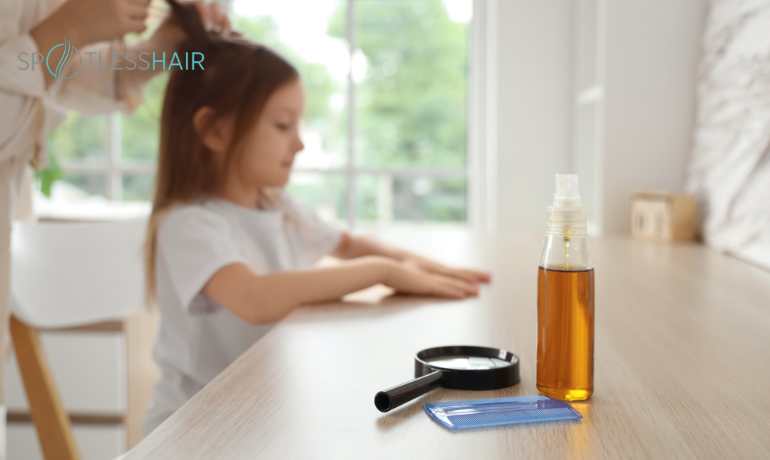
Ways to Prevent Lice and the Best Tips to Avoid Infection
Lice prevention is an essential step in preventing the spread of infection before it happens, as lice are easily transmitted through hair contact or the sharing of personal items. With awareness, regular check-ups, following simple tips and using lice prevention spray the likelihood of infection can be greatly reduced and the hair can be protected from lice and nits.
What is lice and how does the infection occur?
Lice are tiny insects that live on the scalp and feed on blood, firmly attached to the hair. Despite their small size, they are quickly transmitted through head-to-head contact, which is the most common cause of infection.
It can also be transmitted indirectly by sharing items close to the head such as combs, hats, towels or pillows, but this is much less likely than direct contact.
Understanding the mode of infection and the causes of infection is the first step in preventing the transmission of lice and controlling the spread of lice in school or within the family.
Lice prevention methods
1. Avoid direct contact with others
Lice do not fly or jump, but they are easily transmitted when the hair of a healthy person comes into contact with an infected person, especially while playing or sitting close together. It is important to leave a little distance to avoid lice infestation and protect hair from lice, because recent studies have proven that direct contact is the number one cause of lice infestation. In recent years, with the widespread use of smart devices such as cell phones and tablets, children have been sitting for long periods of time next to each other while watching videos or playing games, which increases the chances of touching heads and transmitting lice without attention.
Paying attention to these daily habits, and encouraging children to keep a proper distance while sitting or playing, is an essential part of lice prevention
2. Avoid sharing personal items
Items that come into direct contact with hair such as combs, hats, towels, and headphones should not be shared, as these items can transmit lice from one person to another. Although the likelihood of infection is relatively low, avoiding their use is the best way to prevent lice.
3.The right hairstyle reduces the risk of infection
One of the most important tips for preventing lice is to tie your hair. The hairstyle plays an important role in preventing lice, as the more the hair is up or tied in a strong braid or bun, the less chance of the hair coming into contact with other people’s hair, and therefore the less likely it is to be infected. Keeping your hair up and not leaving it loose is one of the best ways to avoid lice infestation.
4.Use a safe lice prevention spray
You can use a lice prevention spray that contains natural ingredients such as tea tree oil or lavender. Lice protection spray acts as a light layer of protection that prevents lice from sticking to the hair, and is safe for daily use in crowded places. The Tea Tree Hygiene Spray is a safe product that contains no harmful chemicals and can be used daily for children. The product can be purchased by clicking on this link.
5. Regular hair inspection
Weekly check-ups help catch lice early. It is best to use a lice comb under strong lighting, focusing on areas where lice prefer to be, such as behind the ears and on the front of the head. Early detection helps to catch the infection before it spreads to the hair or is transmitted to another person.
6. Maintain cleanliness of the home and clothing
Wash bedding, blankets, and clothes in hot water every week. Pillows can also be exposed to sunlight for an hour a week because lice do not tolerate high heat.
Clean combs and hair ties regularly, as home hygiene is an important part of prevention. To learn more about how to clean the house after a lice infestation, you can check out the article: Do lice live in furniture?
Explain lice to your child in a simple way
It’s important to talk to your child about lice, and we need to deal with it calmly and without intimidation. Explain that lice are not associated with poor hygiene, but are easily transmitted between children during play or contact. You can share age-appropriate information with your child, such as how liceare transmittedand how to protect themselves from them at school or at home.
Assign personal items for each child
Each child should have their own tools such as a comb, brush, hat, and hair ties. It is important not to share these tools with anyone else, whether at school or at home. You can put your child’s tools in a small bag and wash them in hot soapy water on a regular basis. This simple step goes a long way in preventing cross-infection at home and at school.
Frequently Asked Questions About Lice Prevention
1. Can lice be completely prevented?
There is no way to prevent infection 100%, but following simple steps such as screening, hair tying, and avoiding head contact greatly reduces the likelihood of infection.
2. How often should hair be checked for prevention?
It is best to check at least once a week, focusing on the most common areas for lice such as behind the ear and neck scalp, especially when returning from school or crowded events, and early detection prevents the infection from worsening and facilitates treatment.
3. Does tying hair help prevent lice?
Yes, tying long hair tightly greatly reduces the chance of lice sticking to the hair, especially in crowded environments or while playing.
4. Are lice prevention sprays effective?
They are effective as an adjunct to prevention, especially when used before going to school or crowded places. But they are not a substitute for testing and not sharing equipment.
5. Can lice be transmitted by sharing personal items?
Yes, but to a lesser extent than direct contact. Therefore, it is best not to share combs, hats, towels or headphones to minimize the transmission of rosacea.
Conclusion
Avoiding lice infestations depends on implementing simple steps such as regular check-ups, tying your hair tightly, and not sharing tools that come into contact with your head. These daily practices go a long way in preventing the spread of lice within the home or school, and minimize the likelihood of interpersonal transmission, especially in crowded places. With proper awareness and understanding of the mode of infection, prevention becomes easier and more effective.
For added reassurance, testing at a specialized center helps with early detection and proper guidance to protect hair and prevent re-infestation. The Spotless Hair Lice Treatment Center offers safe, quick check-ups and practical advice that supports ongoing prevention and keeps hair healthy all year round.
- To book an appointment, please click on the booking link in the Spotless Hire Center.
- For communication and inquiries, you can contact the unified number (920035512)
- For more information, please visit our website.
Scientific references:
- Saudi Ministry of Health – Head Lice.
- American Academy of Pediatrics – Head Lice Treatment Guidelines (AAP Guidelines).
- World Health Organization – General recommendations for prevention and treatment.


No comment