
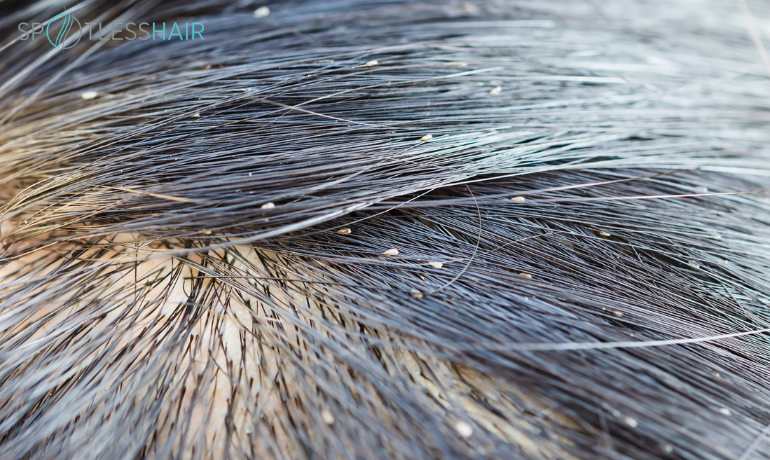
Causes of lice: Why do lice recur?
Lice are small insectsthat live on the scalp and feed on blood, and can be easily transmitted between people through hair contact or the sharing of personal items. Infestations are often caused by behavioral and social factors and have nothing to do with hygiene. Therefore, it is important to understand why lice and nits appear in the hair, how the infection can recur even after treatment, as well as to recognize the reasons why lice return despite getting rid of them the first time.
Together, these aspects help to prevent, detect infections early, and prevent the lice life cycle from continuing within a family or community.
Causes of lice and nits in the hair
The causes of lice infestation are social and behavioral factors that increase the likelihood of infection, and these daily habits are considered one of the most important reasons for the appearance and spread of lice among people:
Age and Social Habits
Children between the ages of 5 and 11 are most susceptible to lice infestation. This is because they spend long periods of time in schools or during group play, risking lice infestation. In addition, children sleeping together or sharing pillows may lead to easy transmission of lice between children.
Hair length and styling
The longer the hair, the more likely it is to be infested with lice, as lice are more difficult to detect, while tied hair is less likely to be infested. Therefore, hair should always be tied up during school or group activities to minimize the possibility of lice transmission from others.
Sharing personal items
Sharing personal items such as: Sharing combs, hats or shawls helps in the transmission of lice.
Frequent socializing
Children who are highly social and spend more time in close interaction with others are more likely to transmit lice than children who tend to be isolated or have less direct contact with the environment. The more close proximity and group play, the higher the likelihood of lice transmission.
Secondly: People at high risk of lice infestation
Some groups are more likely to develop hair lice because of their behavior and social interaction, not because of their level of hygiene. Children are one of the most vulnerable groups because they tend to play close to each other during daily activities, and they often share personal items such as combs, hats and hair ties, which makes the transmission of lice faster than others.
Social people – both children and adults – are more likely to be affected because they are more likely to socialize with others and sit close together in gatherings and group photos. On the other hand, people who are more isolated or have less social contact are less likely to be infected.
People with long hair are more likely to pick up lice as well, because long hair easily comes into contact with other people’s hair while playing or sitting nearby, increasing the chances of louse transmission by crawling from one head to another.
Third: Why do lice infestations recur?
Many moms notice that some children get lice again after a short period of treatment, often due to several factors, the most important of which are:
1. Lice eggs are not completely removed
One of the reasons why hair lice come back is that the lice eggs (nits) are not completely removed during treatment. The live lice may be eliminated, but the eggs remain firmly attached to the hair. Over the course of a few days, these eggs hatch into tiny nits that begin their life cycle anew, causing the lice to reappear. Removing the nits is an essential step to ensure that the lice life cycle is interrupted and to prevent re-infestation.
2. Failure to screen all family members
One of the most common reasons why hair lice reappear is that not all family members are screened. An infected person may be treated, while another person may still be carrying lice or nits unnoticed, leading to re-infestation. All household members should always be checked when an infestation is detected to ensure that the infection is completely eradicated
3. Failure to follow preventive measures after removing lice
After treatment and complete removal of lice, infestations can return if prevention measures are not followed properly. Vulnerable people such as children, siblings at home, and school students need ongoing preventive steps to prevent re-infestation and re-transmission of lice. These measures include hair ties, avoiding sharing personal items, and regular check-ups, especially for groups that have frequent contact with each other.
To learn about ways to prevent lice, check out our lice prevention article to learn the most important steps and tips that help minimize the risk of infection and prevent recurrence.
4. Not cleaning the house after a lice infestation
In some cases, lice infestations recur because the home and personal belongings of the infected person are not cleaned after treatment. When these items are used again, the lice are transferred to the hair and the cycle starts all over again. Therefore, you should always clean and sanitize pillows, bedding, combs, and hair ties after detecting an infestation to ensure that the infection does not reoccur.
When should I seek help?
If you notice that lice or lice eggs remain in the hair after home treatment or chemical shampoos, this is a sign that the home treatment or chemical shampoos are ineffective because the lice are resistant to the active ingredient.
If the infestation recurs despite all attempts to treat lice, you can resort to Spotless Hair, which specializes in removing lice and nits in one session to ensure that the entire scalp and hair are cleaned in a professional and safe session, using certified tools and effective methods using a certified lice elimination device.
Frequently asked questions about what causes lice
1. What causes nits in hair?
The nits are often caused by direct infection through contact with the hair of an infected person. Lice infestation does not occur without transmission from an infected person and is not caused by poor hygiene, it is only transmitted through contact or the sharing of tools.
2. Does hygiene prevent hair lice?
Cleanliness does not completely prevent lice, because lice are not attracted to dirt. Anyone can get lice no matter how clean they are if they come into direct contact with infested hair.
3. Who are the people most likely to get lice?
Children are the most vulnerable because they play close together and share tools, making them more susceptible to lice transmission than adults.
4. Why do lice return after treatment?
Lice often return because the lice eggs were not completely removed. The nits will hatch within 7-10 days and the lice life cycle will resume.
5. Are lice transmitted without contact?
No, lice cannot fly, jump, or swim. They are only transmitted by crawling from hair to hair on direct contact.
6. How do I know if lice are caused by infection or re-infestation?
If lice appear within a short period of time after treatment, it is most likely due to the survival of lice eggs and not a new infection. If the child starts coming into contact with infected children, it may be a recurrent infection.
Conclusion
Understanding the causes of lice and nits in the hair and studying the behavioral factors associated with the prevalence of lice can greatly help prevent and reduce infestations. Some groups are more likely to be infected due to the nature of their social interactions, and recurrence of lice infestation often occurs as a result of the survival of nits, failure to screen all family members, or neglect of post-treatment prevention steps. It is also common for lice to return when eggs are not completely removed or tools and the home environment are not thoroughly cleaned.
Awareness of these aspects is the first step in protecting the family and preventing the cycle from continuing. When any sign of infestation appears, it is best to deal with it early and choose effective treatment methods that ensure complete removal of lice and nits, and then adhere to prevention steps to avoid recurrence. Knowledge and awareness are the foundation of prevention, and proper care is the key to a permanent and safe solution.
If the lice infestation recurs despite all attempts at home treatment, it means that these methods were not effective enough. Therefore, we recommend going to Spotless Hair, which specializes in removing lice and nits in one session, to ensure that the entire scalp and hair are cleaned in a professional and safe session, using approved tools and effective methods using a certified lice removal device.
- You can easily book an appointment via the Spotless Hire booking link.
- For inquiries and communication, we are happy to contact you on the unified number 920035512
- To learn more about our services, visit our website.
Scientific references:
- U.S. Centers for Disease Control and Prevention (CDC): Official information page on head lice, how they are transmitted, and how to deal with them.
- American Academy of Dermatology (AAD): Authoritative information on the causes, transmission, and prevention of head lice.
- Mayo Clinic: Head lice causes, symptoms and diagnosis.


No comment