Understanding head lice is not just about knowing how they look—it’s also important to understand how they live and behave daily. In this section, we’ve gathered the key information you need to better understand head lice. You’ll learn whether lice can see, how they spread from one person to another, whether they can jump or fly, how they breathe, and how they feed. Knowing these details makes it easier to deal with lice and choose the right treatment effectively.
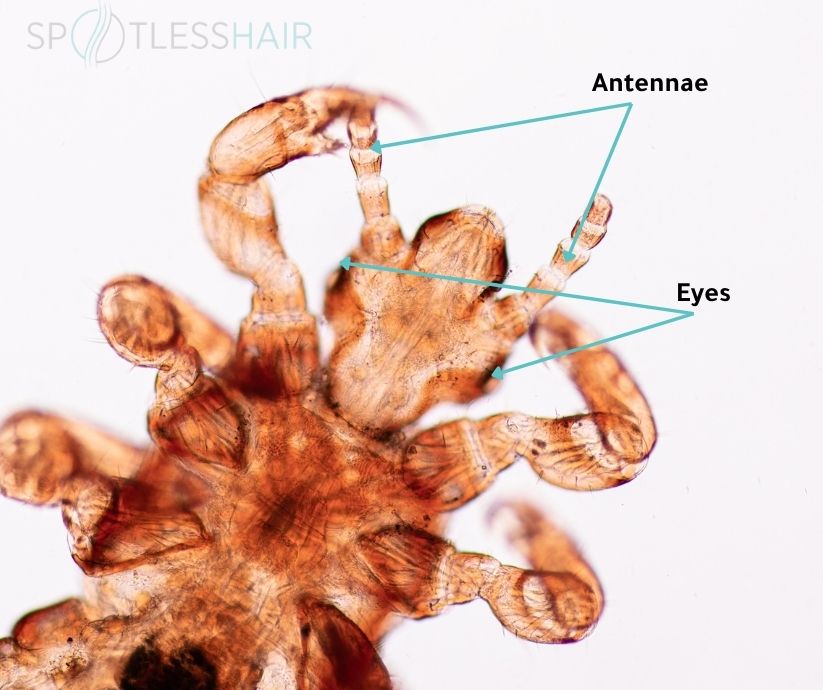
Head lice have very poor vision and do not have well-developed eyes. Therefore, they do not rely on sight to move or find food. They can only distinguish between light and darkness.
Instead, lice depend on other senses such as touch and temperature. They have highly sensitive antennae that help them detect heat and humidity, which guide them to a human scalp.
How Do Head Lice Spread?
Head lice spread through direct head-to-head contact, especially when hair comes into close contact.
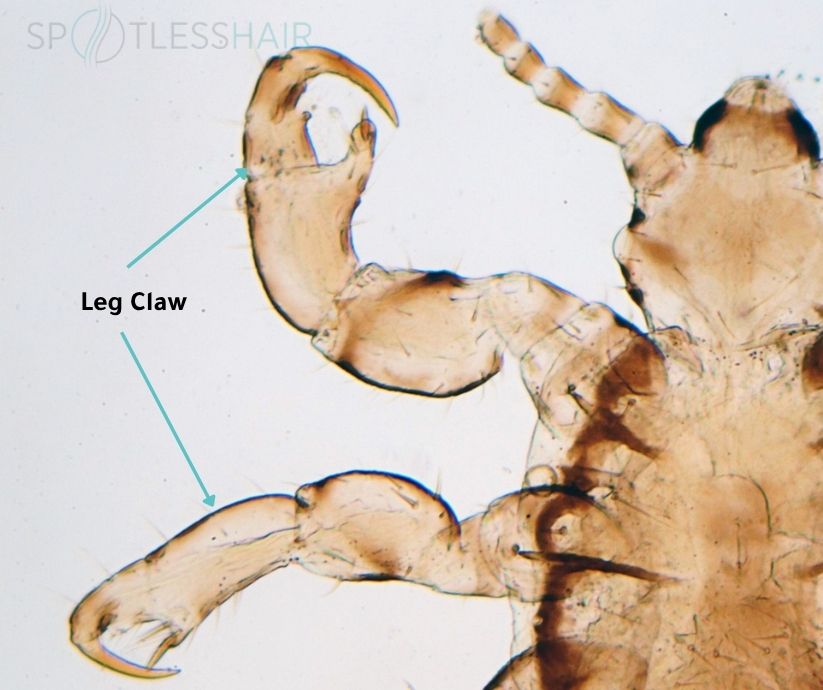
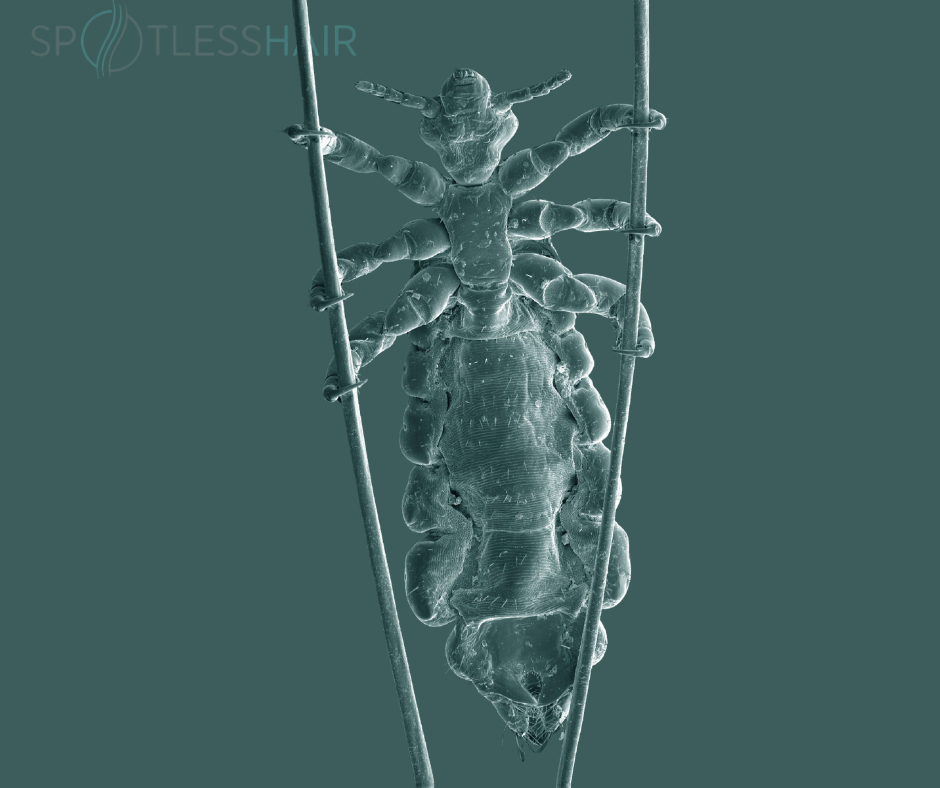
They crawl from one head to another using their tiny claws, which allow them to grip hair strands and move easily between them.
Why Can’t Lice Jump or Fly?
Head lice cannot fly because they do not have wings. They also cannot jump because their legs are short and designed for gripping hair, not for jumping.
Their bodies are adapted to live within hair, not to move through the air. This is why lice spread by crawling and direct contact, not by jumping or flying.
How Do Head Lice Breathe?
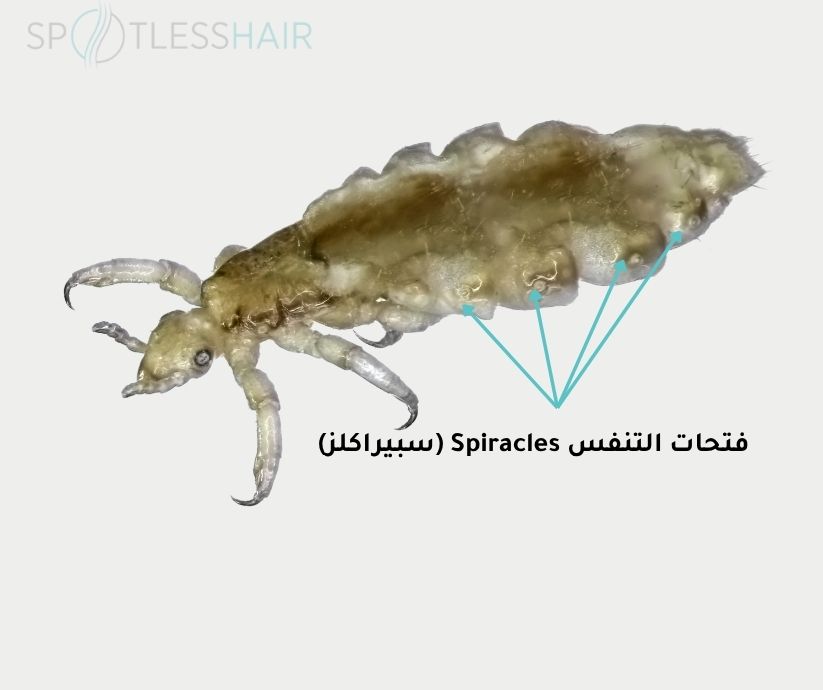
Head lice breathe through tiny openings in their bodies called spiracles. These openings are located along the sides of their body.
Air enters through these spiracles and travels through a network of tubes called tracheae, which carry oxygen throughout the body.
How Do Head Lice Feed?
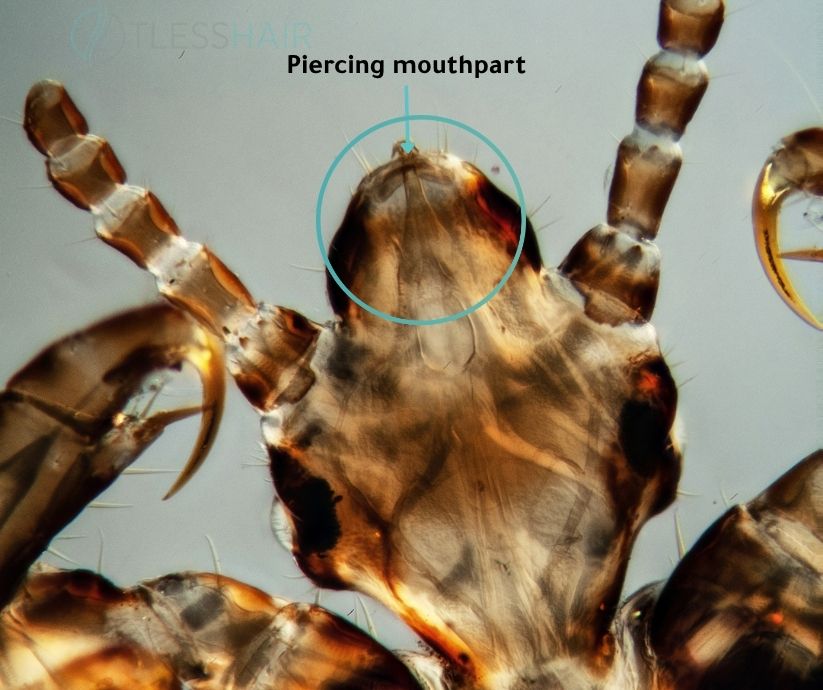
Head lice feed exclusively on human blood. They use their mouthparts to pierce the scalp and draw blood.
Before feeding, they release a substance that prevents blood from clotting, allowing it to flow easily. This is what often causes itching.
Lice need to feed several times a day, usually around 4 to 6 times daily.
Do Lice Excrete Waste?
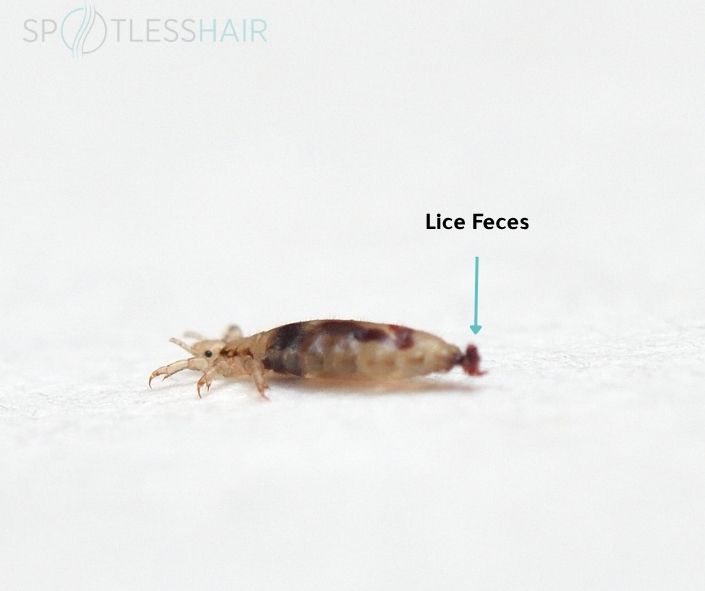
Yes, lice do excrete waste. This is a natural biological process through which the louse eliminates waste produced from digesting blood during feeding.
When lice feed, they digest blood and break it down into proteins and fluids (water). The proteins are used as a primary source for nutrition and growth, while the excess fluids are not needed in large amounts.
Therefore, lice perform the process of excretion to get rid of excess fluids and undigested waste from the blood.
Waste is expelled through the end of the digestive system (the excretory opening), and it appears as very small dark brown or black spots.
Spotless Hair Lice Removal
Understanding how lice live, spread, and feed helps you deal with them the right way. However, knowledge alone is not always enough to eliminate lice completely.
At Spotless Hair, we use advanced techniques and professional tools to detect and remove lice effectively—even the ones that are not visible to the naked eye. Our treatment is safe, precise, and designed to give you results from the first session.