
How do I know if lice eggs are dead? Is it normal to have lice without lice?
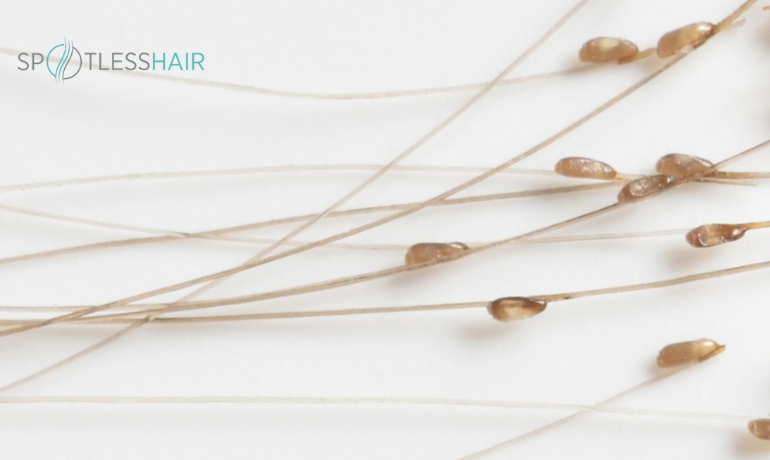
Some people experience nits without lice in their hair, which raises concerns about what the nits look like and whether they indicate an active infestation or an old remnant. This raises an important question: How do I know if the lice eggs are dead? In many cases, the remaining nits are dead lice eggs from a previous infestation or successful treatment, especially if a specialized comb was not used to remove the nits. The color of the nits and their location on the hair also help in distinguishing, so understanding the color of the dead nits reassures parents and prevents undue worry.
What is nits?
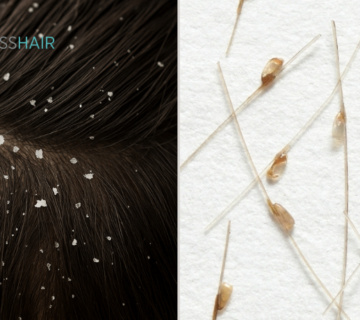
Nits(lice eggs) are the first stage of Lice life cycle: Lice eggs, laid by female lice on the hair shaft near the scalp. The nits are attached to the hair with a strong glue-like substance, so they do not fall off easily when the hair is washed or brushed.
The shape of the nits in the hair
- Very small, about the size of a pinhead.
- Its shape is an oval or a small droplet.
- Stable and firmly attached to the hair.
- It doesn’t move or fall out when you shake the hair.
- It is often close to the scalp (about 1-3 millimeters).
The color of living and dead nits (lice eggs)
The color of the nits varies depending on its condition:
- A live nits is beige, light brown, or yellowish in color. It is full on the inside.
- Dead nits or empty chick: white or transparent in color, empty inside and unhatched.
Note: White lice eggs does not always mean an active infection, it may be old nits after a previous treatment.
Is it possible to have nits without lice?
It is very possible to have nits without live lice. These nits are often dead or the remnants of a previous infestation after a successful treatment, but they remain attached to the hair if not combed out with a comb designed to remove nits. This is because the lice egg is held in place by a very strong glue, and may remain on the hair for several months until it falls out or is removed by hand.
Does the presence of nits mean treatment has failed?
No, the presence of nits does not necessarily mean treatmentfailure, depending on the condition of the jejunum itself:
- If the nits are dead:
this often indicates that the treatment was successful, and that what is visible in the hair is a remnant of a previous infestation that has not yet been removed with a specialized comb. Dead nits may remain attached to the hair due to the strong glue even when there are no live lice. - If the nits are alive:
this may indicate that the treatment was insufficient or not applied correctly, requiring re-examination or treatment to ensure complete elimination of lice.
Do nits without lice need treatment?
No, nits without live lice doesn’t usually require repeat treatment.
In most cases, it is dead or left over from a previous infection after successful treatment, and cannot hatch or cause a new infection.
However, it is best to remove the nits with a specialized comb, as the glue that holds them in place is strong and may remain attached to the hair for a long time if not removed. Combing also helps to ensure that there are no live nits or active lice.
How do I know if lice eggs are dead?
You can tell that lice eggs are dead by these telltale signs:
- Color: Dead lice eggs are white or grayish translucent, while live eggs are brownish or yellowish in color.
- The location on the hair: Dead eggs are often far away from the scalp due to hair growth, while live eggs are very close to the scalp.
- Lack of hatching: If the eggs remain on the hair for more than 7-10 days without hatching, they are most likely dead.
- After treatment: The appearance of only nits without live lice after treatment usually indicates that the treatment was successful and dead nits remain.
Important note:
Even dead nits are best removed with a specialized comb, as they are attached with very strong glue and may remain on the hair for several months if not removed.
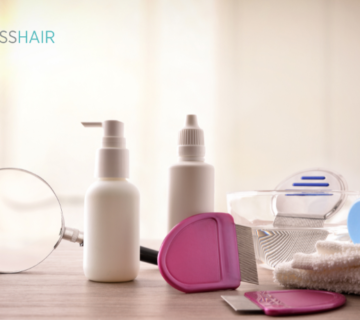
lice comb
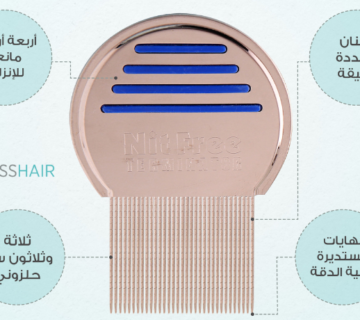
The lice comb is an essential tool for post-treatment cleaning. It is a comb with very fine metal teeth, designed to remove soap that is stuck in the hair.
The correct way to use the lice comb
- Divide the hair into small strands.
- Comb from root to tip.
- Repeat the process several times.
- Clean the comb after each strand.
Is a lice comb enough?
Yes, if there are no live lice, a lice comb is enough to remove the lice residue.
Conclusion:
In conclusion, the presence of nits alone does not indicate a failure of treatment, the most important thing is to make sure that there are live lice or not. Understanding the shape of the nits in the hair helps distinguish between live and dead nits and reduces undue anxiety for parents. If the nits are suspicious or difficult to distinguish, a thorough examination remains the best option for reassurance.
At Spotless Hair, we provide a professional examination that shows the exact shape of the nits in the hair, an effective treatment that aims to eliminate lice and interrupt their life cycle, and clear guidelines to prevent re-infestation.
- Book your appointment now at Spotless Hair via the booking link.
- For direct communication, you can contact the unified number (920035512)
- For more details and information, please visit our website.
Scientific references:
- American Academy of Pediatrics (AAP): Clinical information about the life cycle and treatment methods.
- Centers for Disease Control and Prevention (CDC): A Comprehensive Guide to Infection and Transmission.
- National Head Lice Association (NPA): A reference specializing in the extreme adhesion properties of eggs.
- World Health Organization (WHO): Information on parasites and transmission in children.
- KidsHealth: A simplified explanation of the mechanism of infection and where it occurs in the head.
- Mayo Clinic: Medical information about the symptoms of the infection, its severity, and how long it stays on the scalp.



No comment